
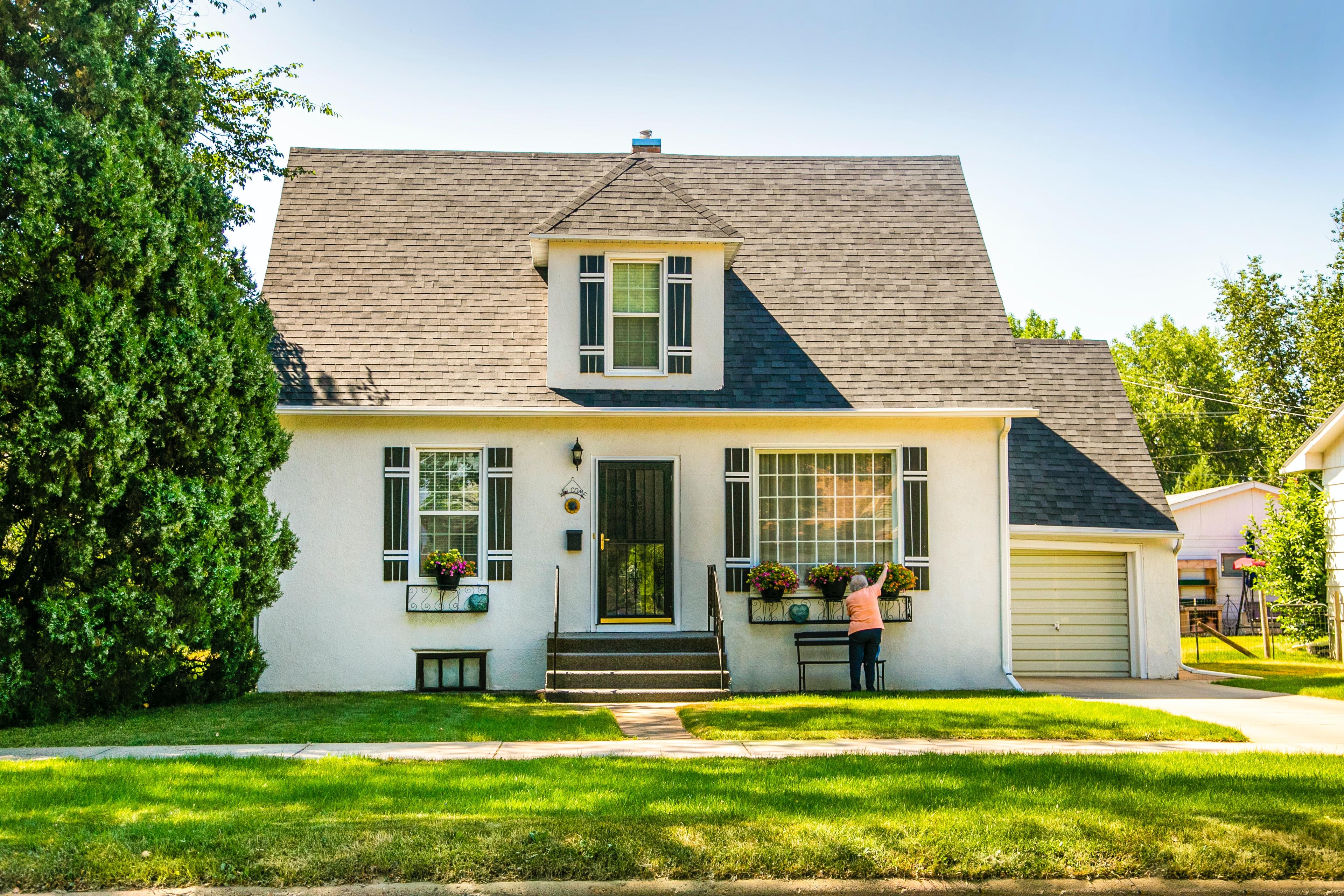
Home buyers today face tough challenges — housing prices have soared, a dollar doesn’t go as far as it once did and rent is more expensive than the past.
How are people today making such a large purchase despite these hurdles? With more flexibility and a bit of financing creativity, today’s buyers are finding ways to achieve homeownership.
Know your options (and credit score)
The first step to knowing if you can afford a home is figuring out what financing options are available to you, including what mortgages you’re eligible for and how much you need (and can afford) to put down upfront.
Learning the minimum FICO score required by lenders and understanding your own credit score are important starting points.
Many home shoppers aren’t sure how much they have to put down on a home, what the lender-required minimum down payment will be (it’s not always 20%), or what programs are available to help with down payments, like FHA loans.
Before buyers even start thinking about saving for a home, they should know what their financial resources are and if they’re eligible to buy.
Make enough money to save
With fewer resources to pull from than their older, wealthier counterparts, renters wanting to buy face tough financial headwinds.
According to the Consumer Housing Trends Report 2019, renter households typically earn a median income of $37,500 annually, which is nearly $40,000 less than the median household income netted by households who recently bought a home (of whom the median household income is $75,000 annually).
While there are ways to enter into homeownership without making $75,000 in household income, it’s hard to afford to buy if you make significantly less. “If you’re making $37,500 per year, it’s probably not feasible for you to buy in almost any market,”
While households purchasing homes are more likely to have two incomes than renter households (and thus a higher median household income combined), even two-income households struggle to afford to buy in competitive markets.